

The $500 Leak That Can Become a $10,000 Problem
Most rental property owners are not ignoring environmental issues on purpose. They just assume everything is fine until the house starts giving obvious clues — and unfortunately, homes are not known for making broad, sweeping announcements when they begin to cause problems.
The leak looks small.
The wall feels dry.
The property was built after 1980, so lead or asbestos probably is not an issue.
The remediation company said half the kitchen needs to be removed, so maybe that is just how Tuesdays go now.
These assumptions are where many expensive property claims begin.
Environmental problems in rental homes usually do not start as dramatic disasters. They start as small, manageable issues: a slow supply line leak, failed shower caulking, a roof stain, a musty smell, old flooring being removed during turnover, or a tenant reporting “just a little water” under the sink.
Handled quickly and properly, these issues can often be contained. Handled late, poorly documented, or without testing, they can turn into mold claims, insurance disputes, tenant complaints, unnecessary demolition, and repair bills that make everyone suddenly very interested in preventative maintenance.
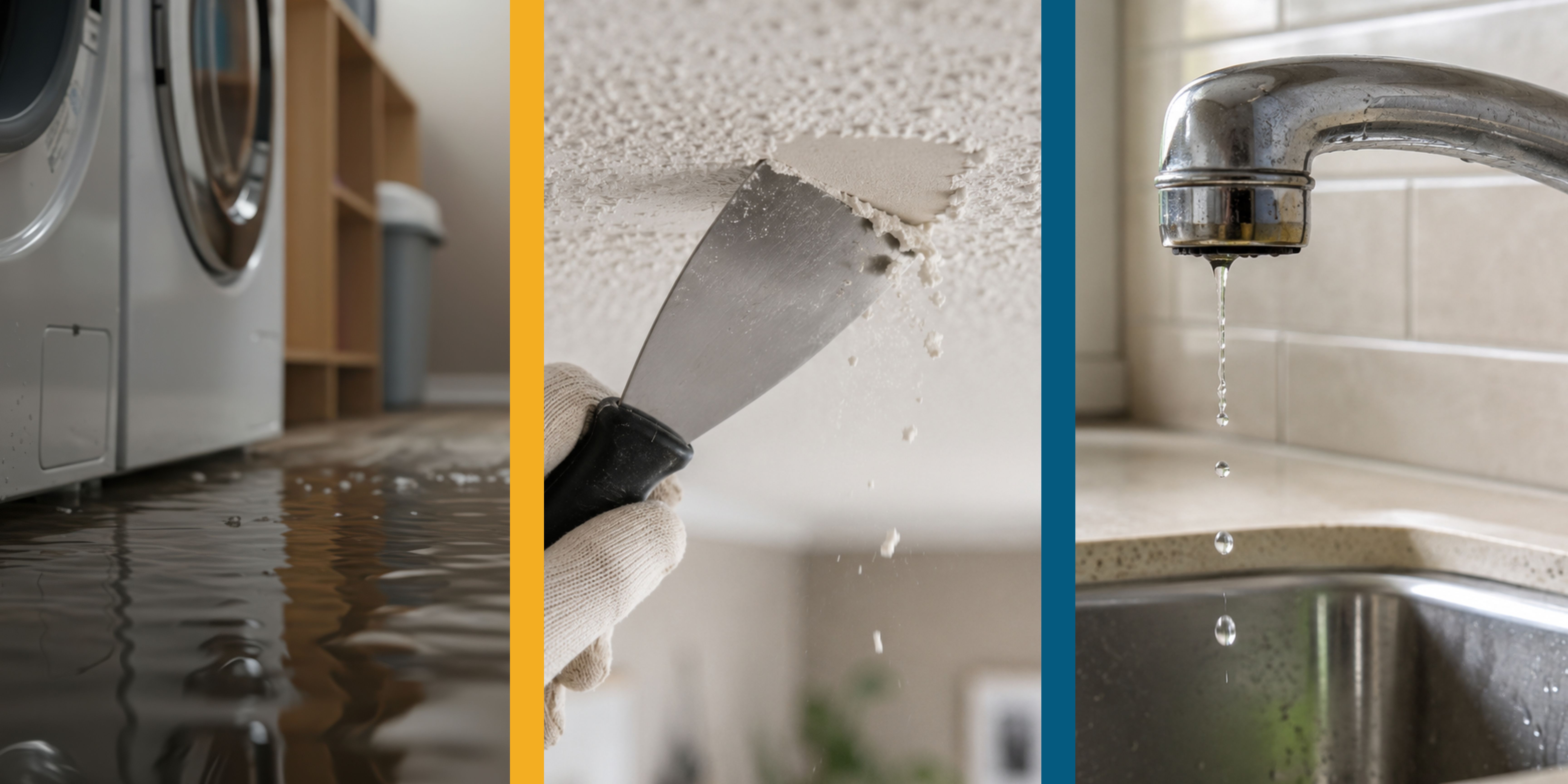
The Biggest Misconception: “My Property Is Too New for Lead or Asbestos”
Older homes are more likely to contain lead or asbestos, but a property’s age does not always tell the whole story. Remodels, hidden layers, older components, past repairs, and even materials sourced before stricter regulations can complicate things.
And despite what many people think, asbestos was not simply “banned decades ago and gone forever.” Construction dates are helpful clues, not crystal balls.
The safest rule is simple: test before you disturb.
Before sanding, scraping, removing flooring, cutting drywall, demolishing cabinets, or taking a run at that popcorn ceiling, environmental testing can help protect the owner, the tenant, and the vendors doing the work.
Water Damage Does Not Need Much Time to Become a Mold Concern
A water issue does not have to be dramatic to cause damage. A small leak can send moisture into walls, cabinets, flooring, and insulation.
The danger is what you cannot see.
Water is sneaky. By the time staining, odor, swelling, or mold is visible, the issue may already be bigger than it looked at first.
That is why quick reporting and quick response matter.
Document, Maintain, and Move Fast
Most water and mold claims are not random. They usually come from small issues that were missed, delayed, or undocumented.
Before a tenant moves in, document the property with photos, videos, and a signed move-in condition report when possible. Focus on walls, ceilings, flooring, plumbing areas, appliances, HVAC, water heater areas, exterior drainage, and any existing stains or prior repairs. Boring? Absolutely. Helpful later? Extremely. Also, yes, this is one of those things MPM already does.
After move-in, stay ahead of the usual suspects: plumbing leaks, old supply lines, failed caulking, HVAC condensation issues, clogged gutters, poor drainage, roof leaks, and exterior cracks. The goal is not perfection. The goal is early detection.
If water damage happens, the first hour matters. Stop the water source if it is safe, protect people first, take photos and videos, notify the right people, remove standing water if safe, and do not start tearing things out blindly. If lead, asbestos, sewage, or hidden moisture may be involved, get proper guidance and moisture readings before assuming the surface is dry.
Remember: Mold Claims Can Become Legal Claims Quickly
Another reason documentation matters? Mold claims are easy to allege and difficult to casually dismiss.
Anyone can file a lawsuit over mold. That does not mean every claim is valid, but it does mean owners should take every moisture issue seriously from the beginning.
Some attorneys take these cases on a contingency basis, meaning they may only get paid if the case results in a settlement or award. That can make it easier for a tenant to pursue a claim, even if an owner assumes, “They could never afford that,” or “They would never do that — they have lived here for years.”
And yes, that includes the tenant who has always paid on time, waves at the neighbors, and maybe even exchanged Christmas cookies with you last year.
Good tenants can still have disputes. Long-term tenants can still file claims. Tenants without significant financial resources can still find representation. And once a mold-related legal claim begins, the process can become stressful, expensive, and time-consuming — even when the owner believes they acted appropriately.
We have seen these assumptions prove wrong more than once, which is why we are big fans of documentation. Boring? Yes. Beautiful in a dispute? Also yes.
This is not a reason to panic. It is a reason to document.
When water damage occurs, owners should keep photos, videos, tenant communications, vendor reports, moisture readings, invoices, drying logs, and environmental test results when applicable. The stronger the paper trail, the better positioned the owner is to show that the issue was taken seriously and handled responsibly.
And good news: if MPM manages your property, this is already part of how we protect your file *high-five team*
The goal is not to assume every tenant will sue. The goal is to avoid being caught unprepared if one does.
The Bottom Line for Owners and Tenants
Environmental issues are easiest and cheapest to handle early.
Owners should not assume a home is free of lead or asbestos based only on age. Tenants should not wait to report leaks, stains, odors, or moisture. And no one should assume a water issue is resolved just because the surface looks dry.
The best protection is simple:
Document the property before move-in — another thing MPM already does, because we enjoy being thorough. Report water issues immediately. Test before disturbing questionable materials. Maintain plumbing, HVAC, drainage, and exterior seals. And require clear documentation before approving remediation work.
Small problems become expensive when they are ignored. Fast action, good records, and qualified guidance protect the home, the tenant, and the owner’s investment.

Protect the Property Before There Is a Problem
The best time to document environmental conditions is before a tenant moves in — not after a complaint, leak, odor, or claim appears.
Metcalf Property Management owners now have access to special pricing for an initial baseline assessment through Anthony Ficco, Business Development Executive with Trust Environmental Services. A baseline assessment can help document indoor air conditions at the time of testing and identify whether further evaluation is recommended.
No environmental test can guarantee future conditions or prevent every possible claim. What it can do is create a clear record that the property was evaluated before occupancy and that the owner took reasonable, proactive steps.
This is especially valuable before a new lease, after water damage, during turnover, before renovation work, or when there has been prior moisture concern in the home. Lead and asbestos testing may also be recommended during the same visit when materials are likely to be disturbed.
Anthony is currently offering limited-time, exclusive pricing for Metcalf Property Management owners who want to take advantage of these preventative services. You can contact Anthony directly.
Prefer to email? He'll answer emails too.
Schedule your environmental assessment now and document the condition of your property before the unseen becomes expensive — or just give us the green light to get it done for you.
Check out Trust Environmental Services online or contact Anthony directly for details on the current MPM owner pricing. Between the environmental expertise and the Southern drawl, you may even enjoy learning about mold testing. We were surprised too.